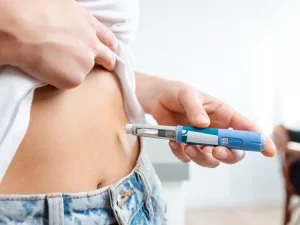

Medical weight loss injections—especially those based on GLP‑1 hormone therapy—are transforming the way people lose weight. With benefits like reduced appetite, improved portion control, and steady fat loss, it’s no wonder these treatments are gaining popularity. But like any effective medication, they may come with side effects—some expected, others more surprising.
In this post, we’ll walk you through the most common side effects, explain why they happen, and share practical tips for managing them effectively, so you can stay on track with your weight loss journey.
1. Nausea & Digestive Discomfort
Why It Happens:
GLP‑1-based medications slow down gastric emptying. This helps you feel fuller longer but may cause nausea, bloating, or mild abdominal discomfort—especially in the first few weeks.
How to Manage It:
- Start with a low dose as prescribed and allow your body to adjust gradually.
- Eat smaller, low-fat meals and avoid greasy or spicy food.
- Stay upright for at least an hour after eating.
- Sip ginger tea or chew sugar-free gum to relieve mild nausea.
2. Constipation or Diarrhoea
Why It Happens:
Changes in digestion and appetite may disrupt your usual bowel movements. Some people may experience constipation, while others may notice looser stools.
How to Manage It:
- Increase water intake and eat fiber-rich foods (oats, fruits, vegetables).
- Get light exercise like walking daily to stimulate digestion.
- Ask your clinician about safe over-the-counter remedies if symptoms persist.
3. Fatigue or Low Energy
Why It Happens:
A sudden drop in calorie intake—due to appetite suppression—can lead to temporary fatigue. Your body is adjusting to using stored fat for energy.
How to Manage It:
- Ensure you’re still getting balanced meals with protein, healthy fats, and complex carbs.
- Don’t skip meals entirely—eating too little can slow your metabolism.
- Prioritise good sleep hygiene and rest when needed.
4. Headaches or Dizziness
Why It Happens:
Dehydration or electrolyte imbalance, often due to changes in eating and hydration habits, can cause headaches or light-headedness.
How to Manage It:
- Drink at least 2 litres of water per day.
- Consider a low-sodium electrolyte drink (without sugar) if needed.
- Monitor your blood sugar if you have diabetes or related conditions.
5. Changes in Oral Health or “Dry Mouth”
Why It Happens:
GLP‑1 therapies can occasionally lead to dry mouth or altered taste sensation, which might affect oral comfort or appetite.
How to Manage It:
- Chew sugar-free gum or suck on ice chips.
- Stay well hydrated.
- Use alcohol-free mouthwash and maintain good oral hygiene.
❗ When to Contact a Medical Professional
While most side effects are mild and temporary, you should contact your prescriber if you experience:
- Severe or persistent nausea and vomiting
- Rapid weight loss beyond what’s expected
- Signs of dehydration (e.g., dizziness, dry lips, infrequent urination)
- Sharp abdominal pain or chest discomfort
At WellMedicare, your health and safety are our top priority. That’s why every treatment is approved by a UK-registered prescriber, and we’re here to support you every step of the way—from your initial consultation to long-term results.
✅ Final Thoughts
Modern weight loss treatments based on GLP‑1 are highly effective, but understanding and managing their side effects is key to long-term success. With the right support, preparation, and mindset, most side effects can be minimized or avoided altogether.
Ready to start your journey?
Take the first step by completing our confidential online assessment and discover if you’re eligible today.